

Cyber Security Consultants Are Ten a Penny. What Actually Makes One Worth Having



Cyber security consultants are everywhere. Most organisations can find one quickly. Many can find several. On paper, they often look similar. Impressive CVs, long lists of certifications, confident language.
And yet, outcomes vary wildly.
Some consultants make a genuine difference. Others leave behind documents, recommendations, and confusion, with little improvement in real security or resilience.
The difference is rarely technical knowledge alone.
After years of working with organisations under pressure, one thing is clear. What really matters is not just what a consultant knows, but how they work with people, communicate risk, and operate in the real world.
This article looks at what actually separates useful cyber security consultants from the rest, and why those differences matter far more than most organisations realise.

Why Technical Expertise Alone Is Not Enough
Strong technical skills are important. They are the foundation of credibility. But technical knowledge on its own rarely changes outcomes.
Many highly capable technologists struggle when they step outside purely technical environments. They may identify issues correctly, but fail to explain them in a way the business understands or cares about.
Common problems include:
- Overly technical language that alienates non-specialists
- Recommendations that ignore operational realities
- Little understanding of commercial pressure or constraints
- Frustration when advice is not immediately followed
Security improvements stall not because the advice was wrong, but because it was not usable.
Why Pure Talkers Are Just as Risky
At the other end of the spectrum are consultants who can talk confidently about risk, strategy, and frameworks, but cannot engage with the technical detail.
These consultants may:
- Produce polished reports that lack substance
- Overlook practical implementation challenges
- Rely heavily on generic templates
- Miss technical weaknesses that later become incidents
Without technical depth, reassurance can become false confidence. This is just as dangerous as poor security.
The Consultants Who Actually Make a Difference
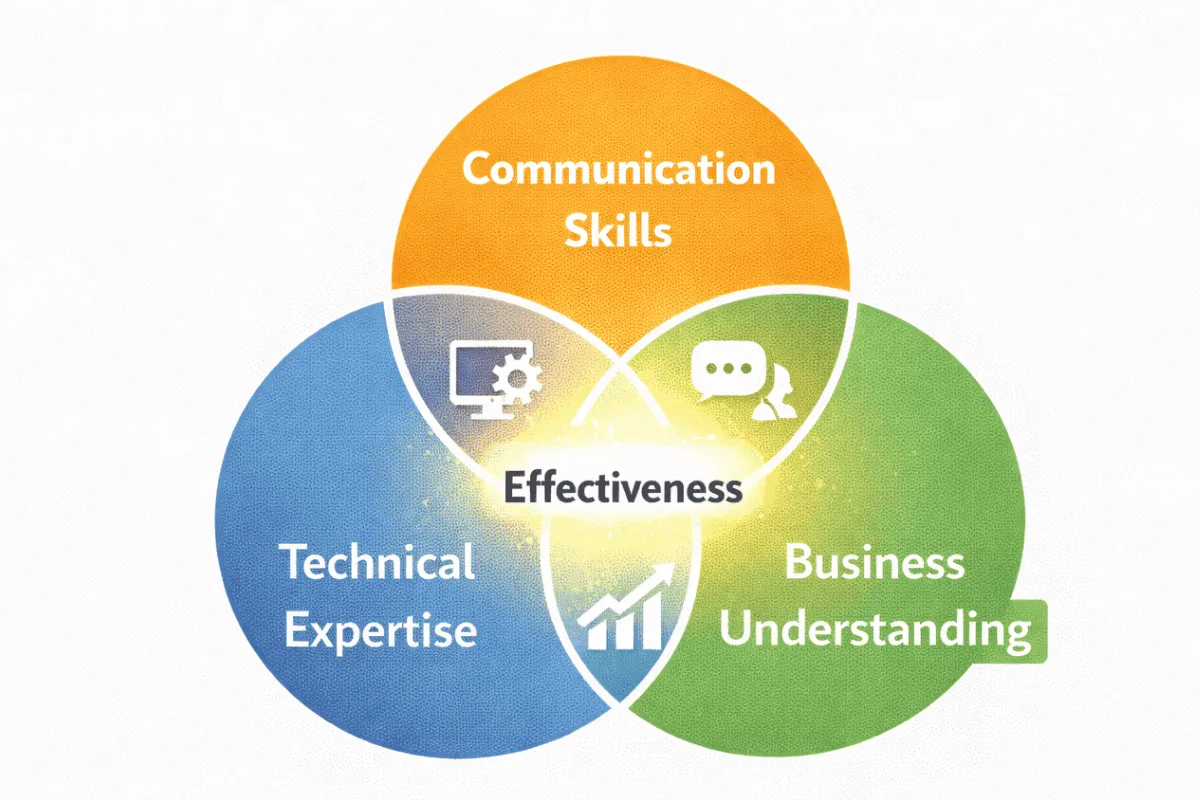
The most effective cyber security consultants tend to share a common profile. They have strong technical backgrounds, but they do not hide behind them. They can go deep when needed, but they choose their words carefully.
Key characteristics include:
- The ability to explain complex issues simply
- Confidence to say “this matters” and “this does not”
- Comfort working with senior stakeholders
- Willingness to challenge assumptions constructively
- Respect for the realities of running a business
They focus on progress rather than perfection.
Why People Skills Matter More Than Most Organisations Expect
Cyber security is ultimately a people problem.
- Controls are designed by people
- Systems are configured by people
- Decisions are made by people under pressure.
A consultant who lacks empathy, patience, or communication skills will struggle to influence change, regardless of how correct their advice is.
The consultants who succeed are those who can:
- Build trust quickly
- Listen before advising
- Adjust tone for different audiences
- Keep discussions constructive rather than confrontational
A sense of humour does not hurt either. Security conversations are often tense. Lightening the mood appropriately can make difficult topics easier to address.
Pragmatism Beats Perfection Every Time
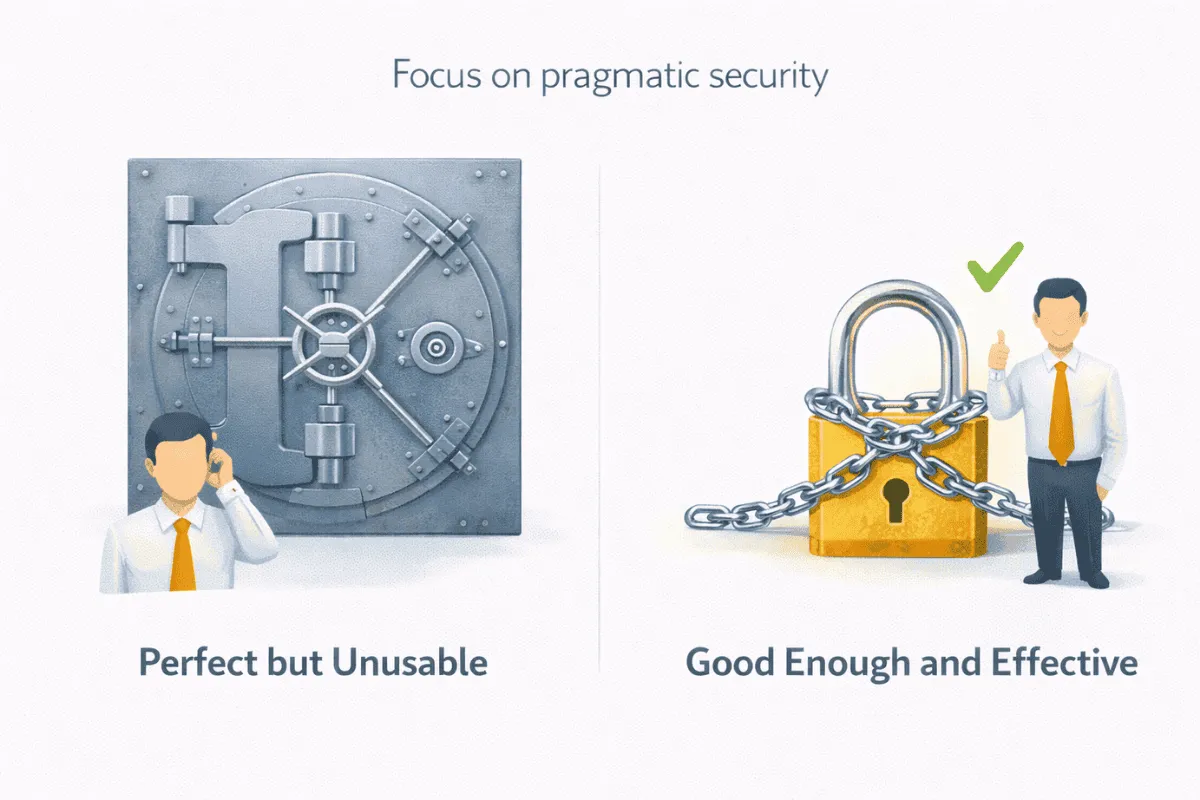
One of the most valuable traits in a consultant is pragmatism.
Perfect security does not exist. What matters is reducing risk sensibly and sustainably.
Pragmatic consultants help organisations:
- Prioritise the most important risks
- Avoid unnecessary complexity
- Implement controls that will actually be used
- Make informed trade-offs rather than chasing ideals
They understand that security has to work alongside delivery, operations, and growth.
Why This Matters More in the Long Term
Organisations often judge consultants on outputs. Reports delivered. Frameworks implemented. Certifications achieved.
The real test comes later.
- Do people understand the risks better?
- Are decisions clearer?
- Do controls actually operate?
- Is the organisation more confident during incidents?
Consultants who focus on outcomes rather than artefacts leave organisations in a stronger position long after the engagement ends.
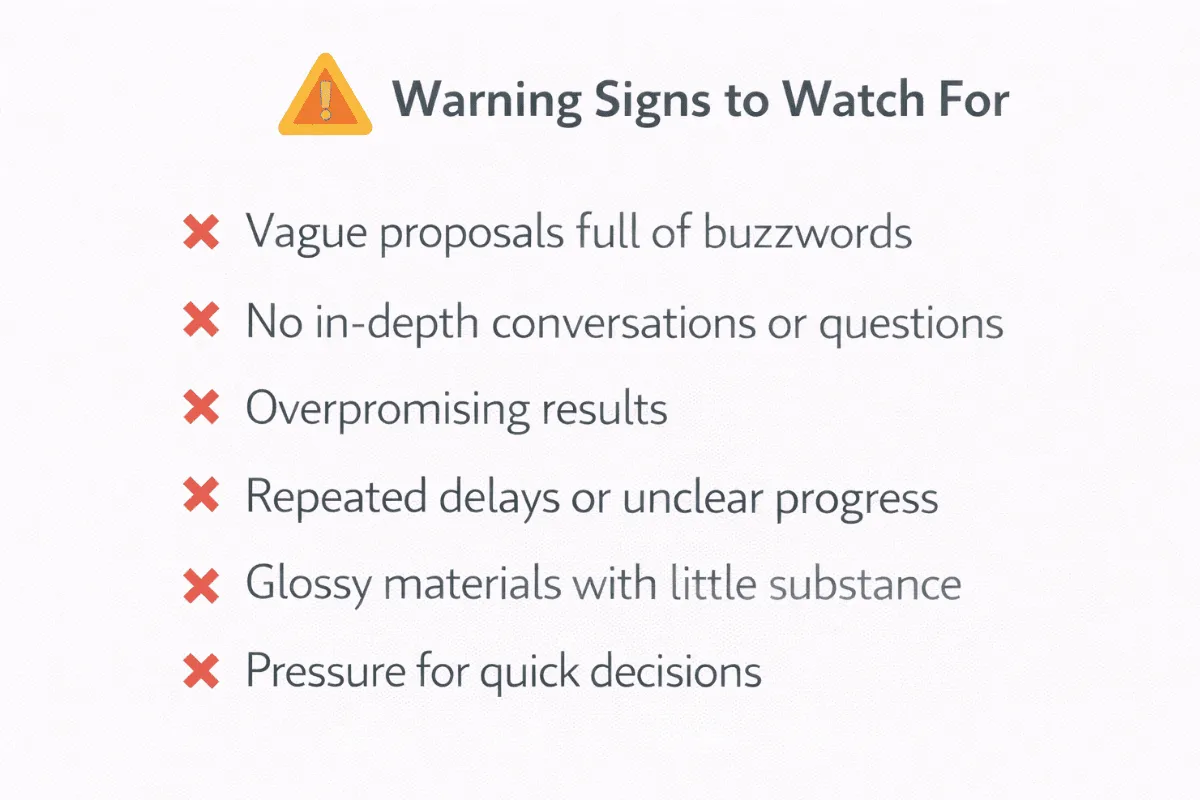
Common Consultant Red Flags
- Overuse of jargon without explanation
- One-size-fits-all recommendations
- Little interest in how the business operates
- Dismissal of practical constraints
- Focus on documentation over behaviour
These signs usually indicate a consultant who will generate activity rather than improvement.
Frequently Asked Questions
Do certifications matter when choosing a consultant?
Certifications can be useful indicators, but they do not guarantee effectiveness. How a consultant applies knowledge matters more.
Should a consultant always agree with the business?
No. Good consultants challenge assumptions, but they do so constructively and with context.
Is it better to use large firms or independents?
Both can work. The key is the individual or team you actually work with, not the logo on the slide.
Conclusion
Cyber security consulting is not about having all the answers. It is about asking the right questions, explaining the risks clearly, and helping organisations make better decisions.
The consultants who make a difference are those who combine technical depth with empathy, pragmatism, and strong communication. Everything else is noise.
How Onion Security Helps
Onion Security was built around the idea that security advice should be practical, human, and proportionate. That means combining hands-on technical experience with the ability to communicate clearly, work with people at all levels, and focus on what genuinely reduces risk.
The aim is not to overwhelm organisations with theory, but to help them make sensible decisions and move forward with confidence.



Your Trusted Partner


